20
We all want the best for our children and sometimes it is difficult to make certain decisions, for example, how to choose the school they will go to, or what learning methodology is best?
The teaching method directly influences children's development, their motivation and their approach to learning. In recent years, active learning methodologies, such as those implemented by Mission Laïque Française, have gained prominence because of their learner-centred approach. But how do they really differ from traditional educational models? We tell you:
What are active learning methodologies?
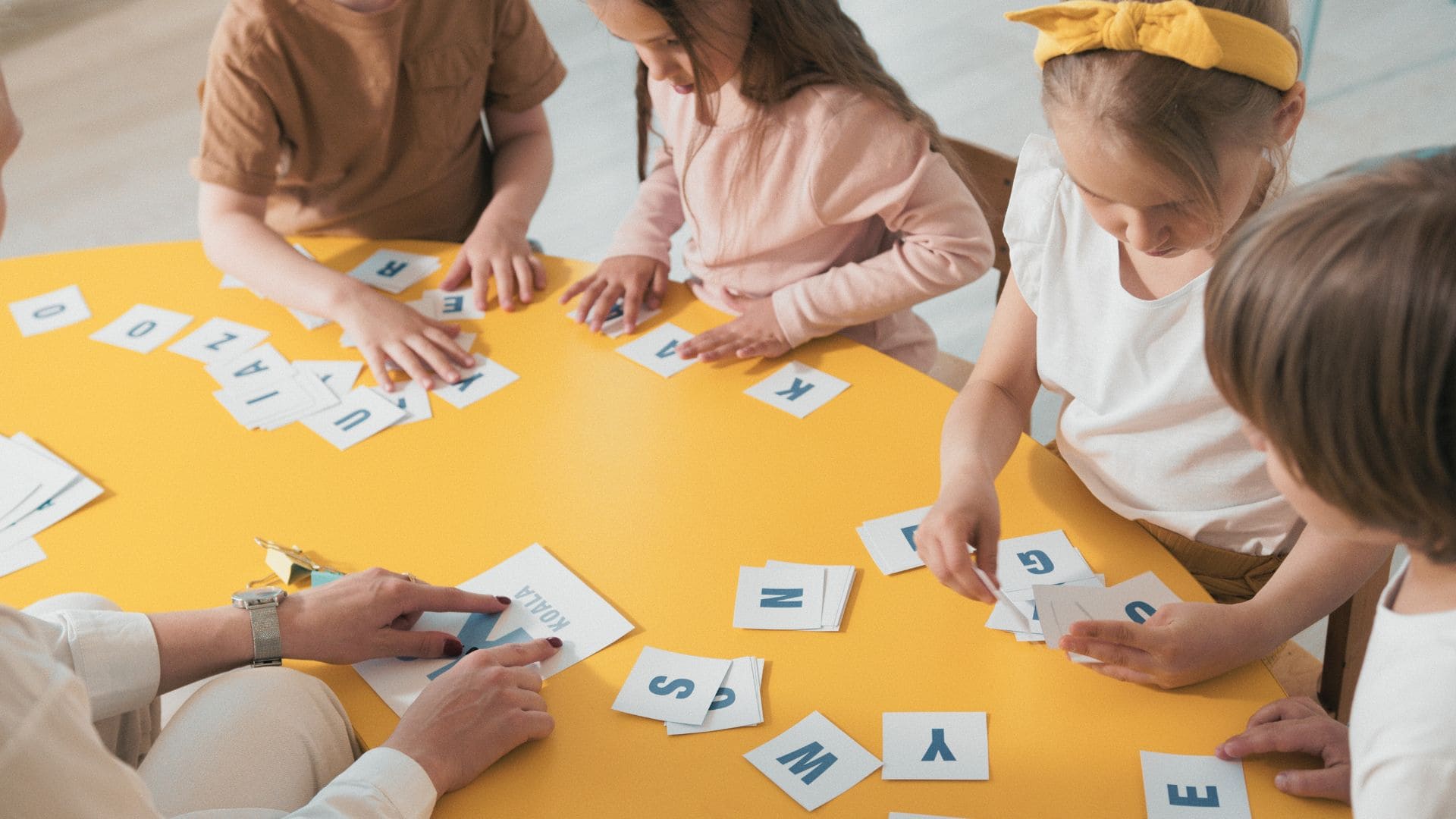
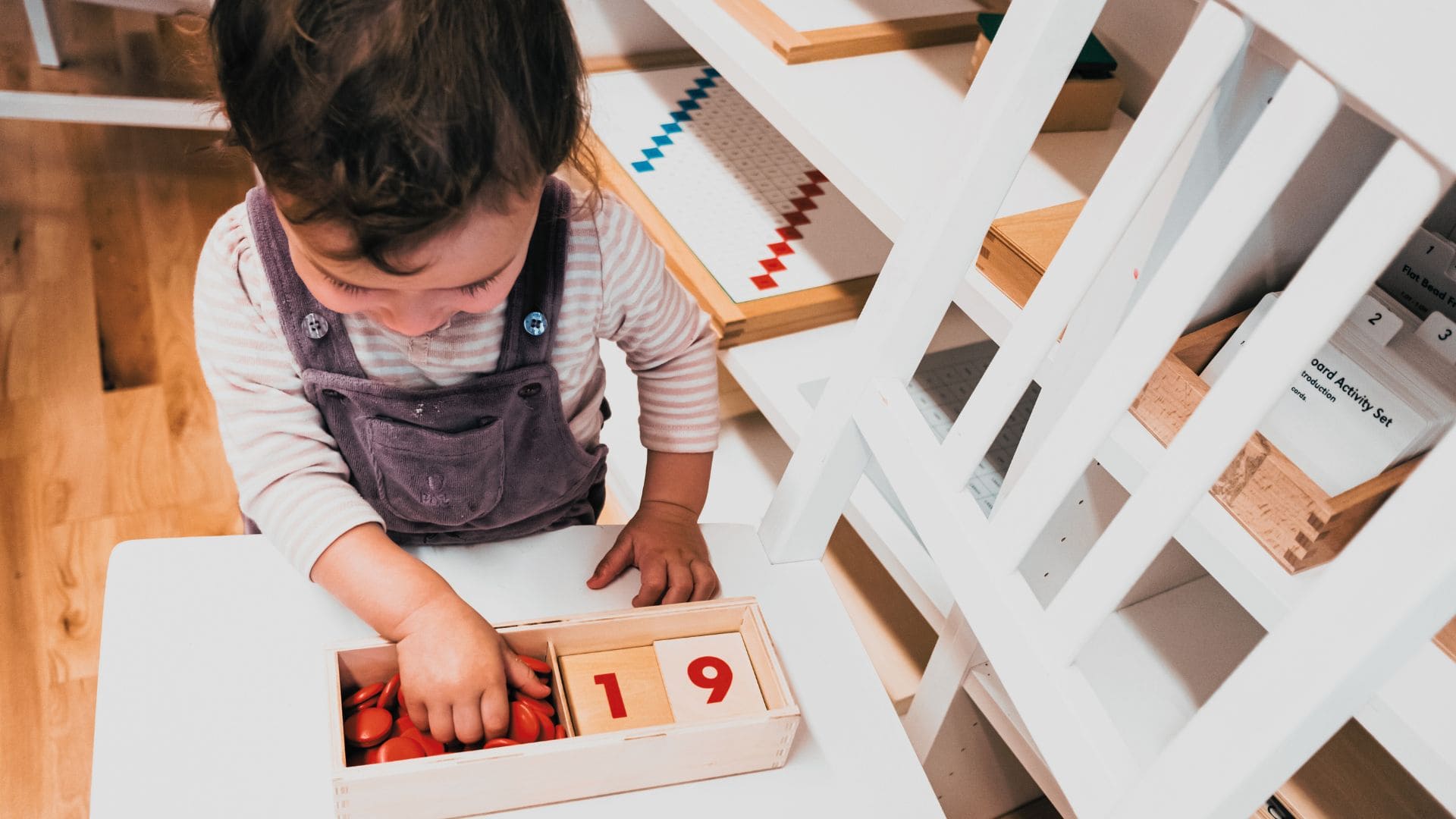
Active methodologies seek to make the student the protagonist of his or her own learning. Through experimentation, collaboration and problem solving, students acquire knowledge in a practical and meaningful way.Characteristics of active methodologies
- Project-based learning: students solve real challenges, applying their knowledge in practical situations.
- Development of critical thinking: the ability to analyse, question and argue ideas is encouraged.
- Continuous assessment: progress is measured through observations, assignments and self-assessment, not just exams.
- Teamwork: cooperation, debate and joint construction of knowledge are encouraged.
- Adaptability: the different learning paces of each child are respected.
Key differences with traditional teaching
This type of active methodologies break with the traditional teaching model that we all know: the one that gives greater importance to memorisation and linear learning. While in the latter the teacher is the main transmitter of knowledge, in the active approach the student has a participatory role, investigating and exploring on his or her own. Another key aspect is assessment. In conventional teaching, marks often depend on written exams, whereas in active methodologies the whole learning process is taken into account, valuing skills such as creativity, problem solving and teamwork. Moreover, traditional teaching tends to follow a rigid and homogeneous guide, with no room for adapting to the individual needs of each student. In contrast, active methods allow for greater personalisation and flexibility, enabling each student to progress at his or her own pace.
The Mission Laïque Française methodology
The Mission Laïque Française educational model is based on innovative principles that seek to prepare children for a globalised world by promoting:- Trilingual linguistic immersion, encouraging fluency in several languages from an early age.
- Encouragement of critical thinking, helping students to analyse, argue and solve problems.
- International and secular values, with an education open to the world and cultural exchange.
- Use of innovative methodologies, with technological resources and modern pedagogical strategies.

Aragonese Pyrenees with kids: 5 plans for this summer
The summer holidays are here! And it's time to choose where and how to spend the...
Educational excellence in the heart of Aragon
Today, we want to dive into the history and values that make the Lycée Moli...
Private visits at Lycée français Molière
Choosing a school for your son or daughter is a decision that is not taken lightly...