Ir al contenido principal

Author: vanessa

Baccalaureate Banner

Benefits of learning several languages from childhood

At the trilingual school Lycée français Molière, we believe that learning several languages from an early age is one of the best opportunities we can offer our pupils. In fact, we believe that languages are the key to the future. Language learning in childhood
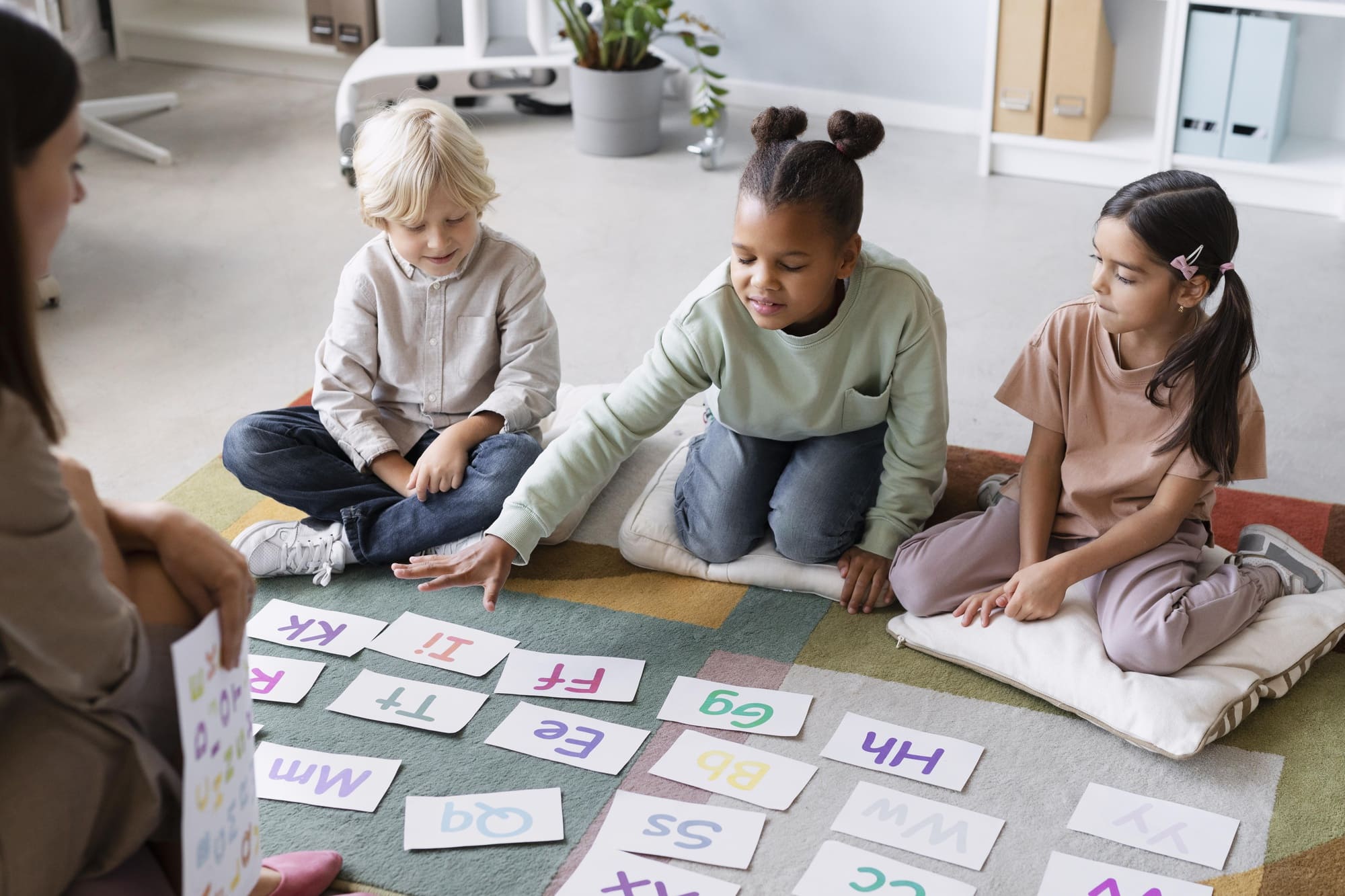
Why is it important for children to learn several languages from an early age? Benefits

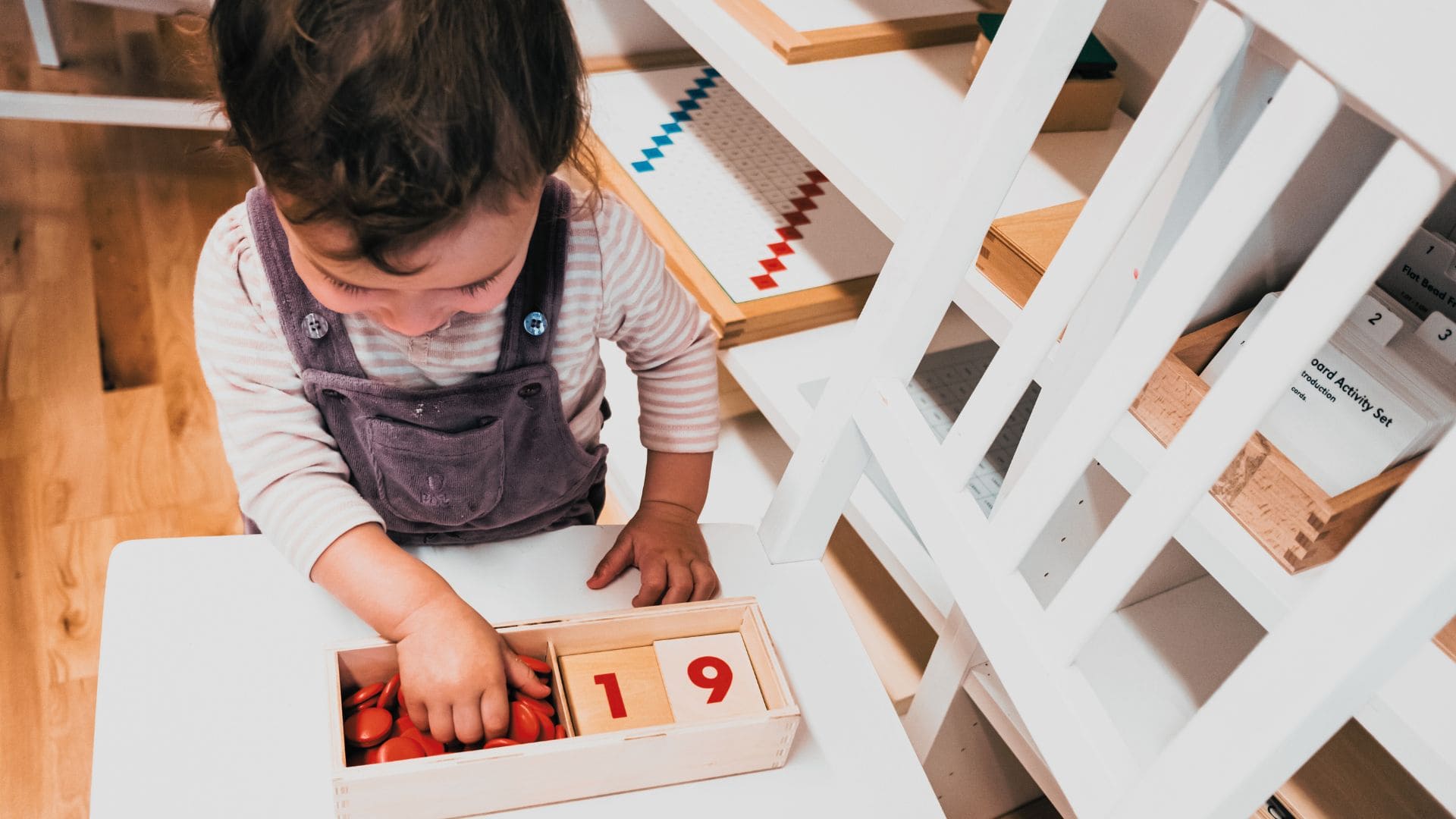
During the first years of life, the brain is at its most receptive, which facilitates the acquisition of new languages in a natural way with less effort. Our educational model is designed to make language learning an enriching and motivating experience from day one. In addition, mastering more than one language not only expands communication possibilities, but also brings key benefits for children's development:
  • Confidence and fluency in different environments: our students are able to get by naturally in different languages, without barriers or fear of expressing themselves.
  • Better academic performance: language learning stimulates memory, concentration and logical thinking.
  • Greater mental flexibility and creativity: multilingual children develop advanced cognitive skills that help them to solve problems more effectively.
  • Ease of learning new languages in the future: a solid foundation in several languages makes it possible to acquire new languages more quickly and efficiently.
  • Cultural openness and global vision: in an increasingly interconnected world, speaking several languages opens doors and fosters tolerance and respect for other cultures.

How do we promote the learning of different languages in our school?

At the Lycée français Molière, international school in Zaragoza, we create an immersive environment in which children learn naturally through:
  • Classes taught by native and bilingual teachers.
  • Everyday use of languages in and out of the classroom.
  • Playful activities, stories, games and songs in different languages.
  • Cultural exchanges and international experiences to reinforce language immersion.
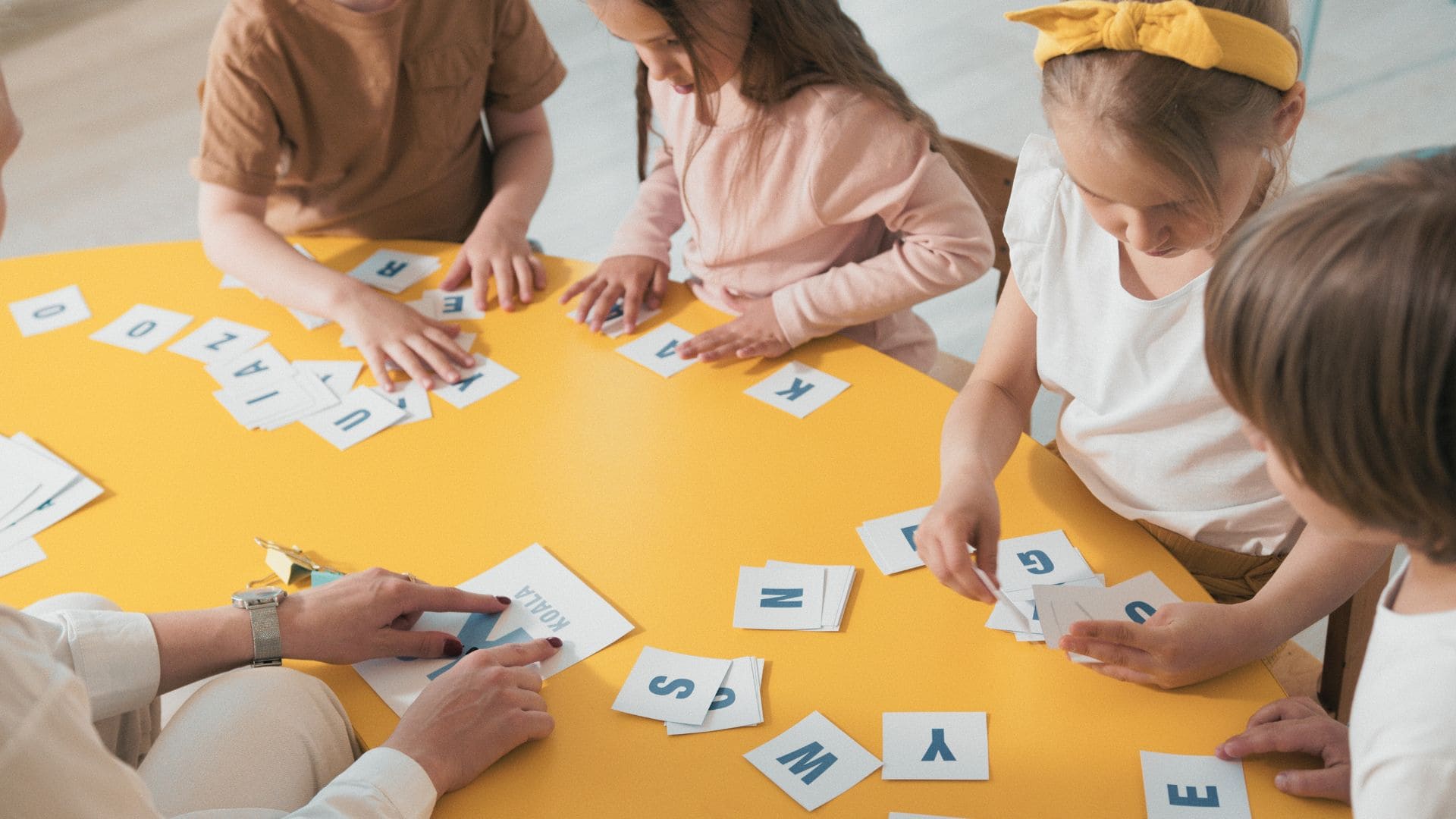
Our commitment is to educate students who are prepared for the future, with a education based on academic excellence and the richness of language learning. Who wouldn't like it? If you want your child to grow up with a unique advantage, find out what we have to offer - we are happy to accompany you on this journey!
Baccalaureate Banner

Active learning methodologies vs. traditional teaching

We all want the best for our children and sometimes it is difficult to make certain decisions, for example, how to choose the school they will go to, or what learning methodology is best? The teaching method directly influences children's development, their motivation and their approach to learning. In recent years, active learning methodologies, such as those implemented by Mission Laïque Française, have gained prominence because of their learner-centred approach. But how do they really differ from traditional educational models? We tell you: Active learning methodology

What are active learning methodologies?

Active methodologies seek to make the student the protagonist of his or her own learning. Through experimentation, collaboration and problem solving, students acquire knowledge in a practical and meaningful way.

Characteristics of active methodologies

  • Project-based learning: students solve real challenges, applying their knowledge in practical situations.
  • Development of critical thinking: the ability to analyse, question and argue ideas is encouraged.
  • Continuous assessment: progress is measured through observations, assignments and self-assessment, not just exams.
  • Teamwork: cooperation, debate and joint construction of knowledge are encouraged.
  • Adaptability: the different learning paces of each child are respected.

Key differences with traditional teaching

This type of active methodologies break with the traditional teaching model that we all know: the one that gives greater importance to memorisation and linear learning. While in the latter the teacher is the main transmitter of knowledge, in the active approach the student has a participatory role, investigating and exploring on his or her own. Another key aspect is assessment. In conventional teaching, marks often depend on written exams, whereas in active methodologies the whole learning process is taken into account, valuing skills such as creativity, problem solving and teamwork. Moreover, traditional teaching tends to follow a rigid and homogeneous guide, with no room for adapting to the individual needs of each student. In contrast, active methods allow for greater personalisation and flexibility, enabling each student to progress at his or her own pace. Learning methodologies

The Mission Laïque Française methodology

The Mission Laïque Française educational model is based on innovative principles that seek to prepare children for a globalised world by promoting:
  • Trilingual linguistic immersion, encouraging fluency in several languages from an early age.
  • Encouragement of critical thinking, helping students to analyse, argue and solve problems.
  • International and secular values, with an education open to the world and cultural exchange.
  • Use of innovative methodologies, with technological resources and modern pedagogical strategies.
Ultimately, choosing the right educational model is key to each child's development. While traditional teaching is based on the transmission of knowledge in a structured way, active methodologies, such as those promoted by Mission Laïque Française, offer a more dynamic education, focused on participation and preparation for the challenges of the future. Now that you know a little more about these approaches, which one would you choose for your children? Contact the Lycée français Molière if you need more information.
Baccalaureate Banner

Skills most in demand in today's jobs

The labour market is constantly changing and requires more and more key competences and skills to stand out. Today we will talk about the importance of these and some of the most in-demand skills.

The importance of developing key skills

Our world of work is constantly evolving and companies are looking for professionals who not only have technical knowledge, but also essential competences and skills to adapt to change. What are the most important or most in demand? Professional skills

Adaptability and flexibility

The ability to adjust to new circumstances and meet challenges quickly is essential. Companies value those who can handle technological changes, new methodologies and different work dynamics. At the Lycée Molière, we promote adaptability through trilingual teaching in French, Spanish and English, as well as exchange programmes that enrich our students' global vision.

Emotional intelligence

The ability to recognise and manage one's own emotions, as well as to understand the emotions of others, is an essential skill in the world of work. Good emotional intelligence facilitates communication, teamwork and conflict resolution. At our school we promote these values through an educational approach based on empathy, respect and inclusion, helping our students to develop confidence in any professional and personal environment.

Critical thinking and problem solving

Analytical thinking and problem solving skills are key competences for any professional career. It is important to stimulate intellectual curiosity and logical reasoning in students through active methodologies that invite them to reflect and make informed decisions. This approach enables them to face challenges with creativity and confidence in many areas of their lives, including their careers. At the Lycée français Molière, we are committed to a model of education that transcends the academic. We work hand in hand with students and provide them with the tools they need to excel in the job market. We encourage the development of the key skills we have just mentioned, as we believe that they are vital for our students to be prepared to face the challenges of the future successfully. It's what we would all want for our children, isn't it? Find out more about the Lycée Français Molière at our website or contact us by sending an email to lycee.saragosse.moliere@mlfmonde.org.
Baccalaureate Banner

Open Day: School in Zaragoza

Si aún no has decidido cuál es el colegio ideal para tus hijos en el Lycée français Molière de Zaragoza queremos que conozcas de cerca nuestra propuesta educativa. Participa en nuestra jornada de puertas abiertas y descubre por qué somos la mejor elección para tu familia.

Jornada de puertas abiertas en el Licée français Molière

¿Cuándo hay jornada de puertas abiertas para conocer el Lycée français Molière? 1 de febrero de 2025

Organizar el futuro educativo de nuestros pequeños es importante. Por eso, te invitamos a nuestra jornada de puertas abiertas donde podrás explorar las opciones que ofrecemos para tomar la mejor decisión.

Ven el próximo 1 de febrero de 2025 para conocer a fondo todo lo que es el Liceo y nuestro enfoque educativo. Además, ¡El plazo de matrículas ya está abierto! Envíanos un mail a lycee.saragosse.moliere@mlfmonde.org para reservar una cita el día de puertas abiertas.

¿Por qué elegir un colegio internacional trilingüe en Zaragoza?

Somos una comunidad educativa que fomenta el aprendizaje y el desarrollo integral de sus alumnos. Si te preguntas si merece la pena elegir el Lycée français Molière, aquí tienes algunas razones:


  • Colegio privado internacional: Garantizamos una educación reconocida a nivel mundial.
  • Educación plurilingüe: Ayudamos a tus hijos a dominar francés, español e inglés desde una edad temprana.
  • Desde las primeras etapas: Ofrecemos programas educativos que construyen una base sólida desde la etapa infantil.
  • Misión laica francesa: Promovemos valores universales como la tolerancia, la inclusión y el respeto.
  • Intercambios internacionales: Brindamos oportunidades para conocer otras culturas y enriquecer el aprendizaje.
  • Desarrollo personalizado: Adaptamos nuestras enseñanzas para potenciar las habilidades únicas de cada alumno.

Invertir en un international trilingual school prepara a tus hijos para destacar académica, personal y profesionalmente.

Acompáñanos el 1 de febrero de 2025 en la jornada de puertas abiertas del Lycée français Molière en Zaragoza. Reserva tu cita para conocernos enviando un mail a lycee.saragosse.moliere@mlfmonde.org. ¡Te esperamos!

Baccalaureate Banner

International exchanges with the school

Este año escolar, los intercambios internacionales están marcando la diferencia en nuestra comunidad educativa. Durante el primer trimestre, el Lycée français Molière recibió estudiantes de diferentes liceos del mundo a la vez que sus estudiantes disfrutaban de estancias educativas en el extranjero.

Intercambios internacionales y movilidad escolar

Intercambios internacionales en el primer trimestre

Estudiantes de intercambio en España

Estudiantes de diferentes partes del mundo en el Lycée français Molière:

Lycée Rodin de París (Francia)

intercambio con París

Lycée Victor Hugo de Florencia (Italia)

Intercambios con Florencia

Lycée Charles Perrault de Varna (Bulgaria)

movilidad escolar Zaragoza

Lycée Vauban de Luxemburgo

intercambios en luxemburgo

Estudiantes de intercambio en el extranjero

Mientras tanto, un grupo de alumnos de 2nde y 3ème del Lycée français Molière pasó un mes inolvidable en el Lycée Français de Alejandría (Egipto) viviendo una experiencia cultural y educativa única.

intercambio en egipto

intercambios con Egipto

movilidad escolar Alejandría

Próximos intercambios internacionales

Para el resto del año, continuaremos recibiendo y enviando estudiantes. Además, sumamos nuevos destinos a nuestro programa: el Lycée Polyvalent Kerraoul en Paimpol (Francia) y el Lycée Louis Massignon de Casablanca (Marruecos).


Estos intercambios son una oportunidad para crecer, aprender de otras culturas y fortalecer el futuro de nuestros estudiantes. ¡Una experiencia que no se olvida!

Y tú, ¿Te has ido alguna vez de intercambio? No olvides follow us on social networks to keep up to date with the latest news on the only one of its kind in the world. French school in Zaragoza, the Lycée français Molière.