Ir al contenido principal
Baccalaureate Banner

Aragonese Pyrenees with kids: 5 plans for this summer

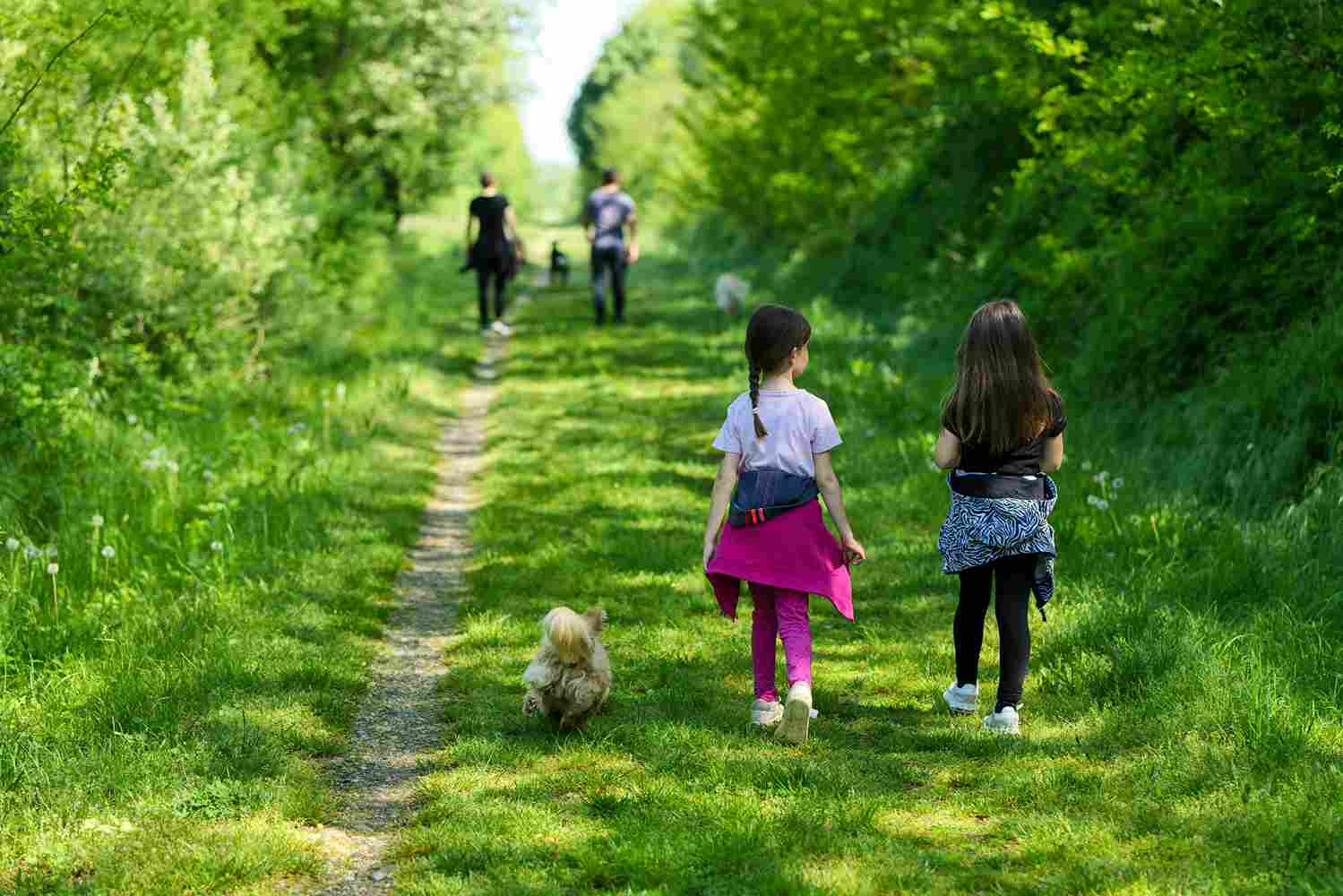
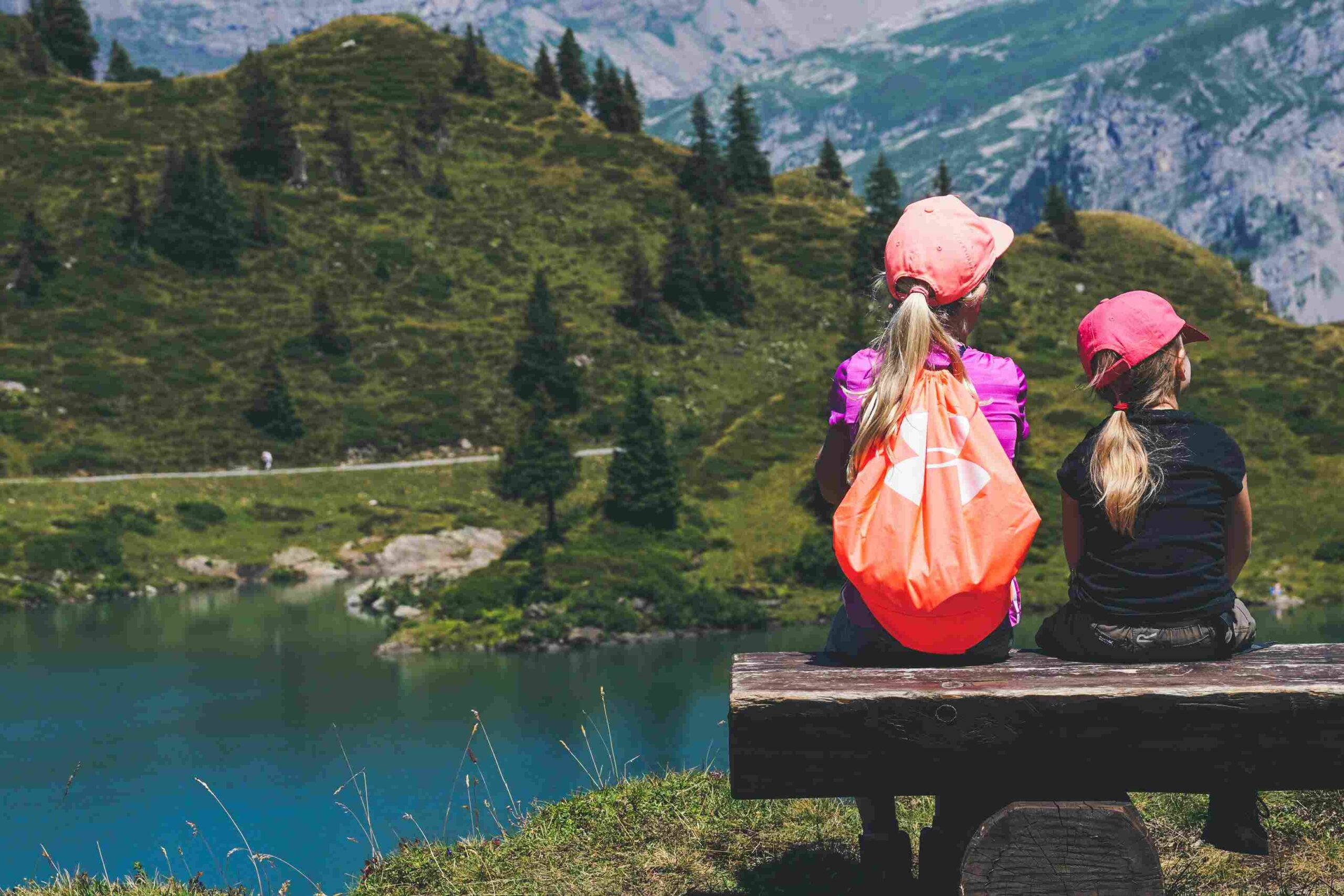
The summer holidays are here! And it's time to choose where and how to spend your family's free time. Did you know that doing activities in nature fosters a connection with the environment, as well as improving your children's physical fitness and mental well-being? From the International School of Zaragoza Lycée français Molière we suggest 5 things to do this summer in the Aragonese Pyrenees with children. Do you want to discover them? Aragonese Pyrenees with children

1. Las Negras waterfall

Would you like to go on a magical walk in the Aragonese Pyrenees with your children? Starting the excursion from Canfranc Station, you will reach the Izás Valley, where you can visit the Negras waterfall, a wonderful natural enclave to enjoy with the whole family. The route takes approximately 2 hours one way and just over 1 hour return. On your return, you can take the opportunity to visit the mythical Canfranc Station, have a snack in the hotel-station, and enjoy even more the landscape and the good weather that the Pyrenees offer us.

2. El Sarrio and Valle de la Ripera Train

The El Sarrio Train is a very special way to discover the Aragonese Pyrenees with children. Taking the train from Panticosa you will be able to discover the Ripera Valley through six hiking routes, with different pools that allow you to take a refreshing dip. Afterwards you can return to Panticosa on the same train, choosing one of the circular routes, or you can walk 6 kilometres. If you prefer to go hiking at Ibón de las Paules and discover one of the most beautiful lakes in the Tena Valley, you can take the Sarrio train from Tramacastilla de Tena. In addition to enjoying a 10-star landscape, the train's loudspeaker system serves as a guide to get to know this unique spot.

3. Bearded vulture watching in Aínsa

In addition to walking through the streets of this beautiful town and its castle, as well as enjoying the views of the landscape from the church bell tower, in Aínsa you can observe bearded vultures in their natural habitat through two observatories and the ornithological show along with other birds such as vultures, Egyptian vultures and kites thanks to the Eco Museum of Pyrenean Fauna. This is an unforgettable experience to do in the Aragonese Pyrenees with children where they can learn about biodiversity. You can check availability, timetables, prices and more information at its website.

4. Citadel of Jaca

The Citadel of Jaca houses the Castle of San Pedro and the Museum of Military Miniatures, surrounded by a military fortress in the shape of a pentagon. Get to know the secrets of this emblematic monument with the youngest members of the family through the Short visits, guided tours in a fun way in which you will play games of questions and clues. After completing the challenges, children can receive a surprise gift. Did you know that the pits are inhabited by deer? In addition to the little visits, you can enjoy the Ecociudadela, where you can interact with these animals by feeding them or petting them, while at the same time raising awareness about environmental protection.

5. La Cuniacha Faunal Park

The La Cuniacha Wildlife Park is one of the best things to do in the Aragonese Pyrenees with children this summer. You can enjoy this “Island of Biodiversity”, located in the town of Piedrafita de Jaca, in the heart of the Tena Valley, along a four-kilometre trail. This excursion is a great opportunity to get to know the different flora and fauna that inhabit the Pyrenean ecosystem. Did you know that as well as birdwatching, it is possible to spot foxes, sheep, European bison, and even bears and wolves? Because learning continues in summer, from International School of Zaragoza Lycée Français Molière, We want our students to continue developing their skills, connecting with nature and getting to know such an important and vital place as the Aragonese Pyrenees, spending quality time, leisure and free time with their families.
Baccalaureate Banner

The evolution of French music: From Édith Piaf to Daft Punk

Desde la materia de música, donde nuestros alumnos crean proyectos musicales, hasta los espectáculos de fin de curso, la música francesa forma parte de todos los ámbitos del international school of Zaragoza Lycée français Molière.


Saber cómo ha ido evolucionando a lo largo del tiempo es importante para conocer la historia y el contexto cultural y social de un lugar, sus habitantes, e incluso cómo ha podido influir en el resto del mundo.

 

música francesa

La música francesa a lo largo de la historia


A través de distintos movimientos culturales, la música francesa ha ido cambiando a lo largo del tiempo, siendo un fiel reflejo de su momento.


Música francesa clásica


From the Barroco en el siglo XVII con Jean-Baptiste Lully como representante de este movimiento y que formó parte del círculo del monarca Luis XIV, pasando al Impresionismo a finales del siglo XIX, época que marcó importantes cambios políticos, económicos y sociales.


Siglo XX: la transformación cultural


El siglo XX trajo consigo una enorme transformación sociocultural que tuvo su reflejo en la música francesa.


The primeras décadas estuvieron protagonizadas por los cabarets y la Belle Époque, donde lugares tan emblemáticos como el Moulin Rouge o el Chat Noire de París fueron los centros neurálgicos de la música en Francia.


Avanzando un poco más en el tiempo, entre las décadas de 1930-1950, llegaron la Edad de Oro, con Édith Piaf como su máxima representante, y también el jazz y del swing francés, para dar paso a un cambio musical radical en las décadas de 1950-1970 con el surgimiento del pop.


A partir de 1970 y hasta la década de los 90, tanto el contexto político, económico y sociocultural como musical se diversificó y aparecieron el rock, la música electrónica experimental, y la música afro-caribeña francófona.


Comienzos del siglo XXI hasta hoy


Durante los primeros años del siglo XXI, además de vivir un renacimiento de la “chanson francesa” con artistas como Benjamin Biolay o Carla Bruni, la música electrónica se fue abriendo paso, siendo Daft Punk unos de sus referentes.


The década de 2010 fue el turno para la música urbana y el hip hop, así como de lo alternativo y de lo indie y, en la actualidad, con la globalización, son las redes sociales las que van marcando la evolución musical, siendo la identidad multicultural, las cuestiones sociales y la salud mental los temas que más se escuchan en las letras de las canciones.


Beneficios de escuchar música francesa


Además de las ventajas que tiene escuchar música, como fomentar la creatividad, mejorar el estado de ánimo, el sueño o la memoria, la música francesa proporciona una serie de beneficios en cuanto al aprendizaje del idioma y de la cultura.


  • Activa la memoria y la atención.
  • Enriquece el vocabulario.
  • Facilita el desarrollo de la comprensión oral.
  • Mejora la pronunciación.
  • Amplía tus conocimientos sobre gramática.
  • Conecta con la cultura francesa.
  • Ayuda a omprender el contexto socio-cultural de cada momento.
  • Amplía tu abanico musical.


Nuestro consejo es que comiences escuchando canciones más sencillas, para ir pasando a algunas más complejas. Édith Piaf, Zaz, Louane, Phoenix o Daft Punk son algunas de nuestras recomendaciones.


From the International School of Zaragoza Lycée français Molière, te animamos a que empieces a escuchar música francesa para completar tu aprendizaje tanto del idioma como de la cultura francesa.

Baccalaureate Banner

5 Things to do with children in spring in Zaragoza

The good weather has finally arrived in Zaragoza. With the beginning of spring, the days are longer, the temperatures are more pleasant, and it is more appealing to get out of the house to enjoy good times with the family. From the international trilingual school Lycée français Molière we suggest five things to do with children in spring in Zaragoza. things to do with children in spring in Zaragoza

Zaragoza blooms

From 22 to 25 May, the new edition of the Zaragoza Blossoms, One of the plans to do with children in spring in Zaragoza that we recommend the most. You will be able to enjoy a spring and fun atmosphere through different activities in nature. Admission is free for all of them, and they will take place in the EcoKids spaces and in the New Grove of the Parque Grande José Antonio Labordeta.

Aljafería Palace

The Aljafería Palace is one of the most important monuments of our autonomous community. Visiting it you can learn more about the history of Aragon, how the Muslim kings lived through the Mudejar architecture, and what the residence of the Catholic kings was like with medieval architecture. Spring is the best time to enjoy a nice walk through its gardens and courtyards.
  • Opening hours: from 10.30 am to 1.30 pm and from 4.30 pm to 6.00 pm.
  • Children under 12 years of age do not pay admission and on Sundays visits are free for the general public.

Galachos de Juslibol

A family walk to the Galachos de Juslibol to visit this natural space is one of the plans to do with children in spring in Zaragoza where you can enjoy nature in all its splendour. Get to know the different species that inhabit this ecosystem and enjoy a great day out with the family. In addition, you can reach the galacho in the Carrizal train, The children will love it! Learn more about how to prepare your visit to the Galachos de Juslibol.

Zaragoza Aquarium

The Zaragoza Aquarium is the largest river aquarium in Europe. Here you can discover different types of fish, such as the enormous arapaima of the Amazon, and other animals that live in rivers all over the world, such as otters and crocodiles. The aquarium also has a restaurant and cafeteria, so that you can enjoy a pleasant meal or snack with the family after your visit.
  • Opening hours Friday to Sunday: 10.00h to 20.00h
  • To consult the different ticket prices, you can visit their website.

In the footsteps of Patagotitan

Do you want to get to know the world of dinosaurs in the Argentinean Patagonia? In addition to the exhibition, from Caixa Forum propose us a family activity to do with children in Zaragoza through a dynamic visit. Following the footprints of Patagotitán you will discover what these dinosaurs were like, what they ate and even how they walked. It can be done by children from 4 years old, always accompanied by an adult, from the 18th of May to the 22nd of June.
  • Timetable: every Sunday at 11:00h, 17:00h and 18:00h.
In the Lycée Molière of Saragossa, we seek the wellbeing of our students both in and out of the classroom. Spending quality time with the family is vital for personal development, and we want you to take advantage of the good weather and enjoy these plans to do with children in spring in Zaragoza.
Baccalaureate Banner

Private visits at Lycée français Molière

Choosing a school for your son or daughter is a decision that is not taken lightly. At the Lycée Français Molière we understand the importance of this process, which is why we offer fully personalised private visits so that you can get to know our educational project, our values and the environment in which your child will learn.


Unlike traditional open days, the private tour allows you to explore the school at your own pace, to have your questions answered in a personalised way and to feel at ease if this is the right place for you.


What does one of our private visits consist of?


You can come alone or with your family. This is a private meeting where we welcome you to the school, show you around the facilities and share with you all the information you need about our educational model, the languages we teach, the day-to-day life in the classroom and the support we offer each student.


In addition, you will be able to talk directly to members of the management team or teaching staff in a relaxed environment, where the most important thing is you.


Frequently asked questions about private visits


How can I request a private visit?

Requesting a private visit is very simple. You can do it directly from our website, by filling in a short contact form here. We will contact you to arrange an appointment at a time that suits you best.


Can I come with my son or daughter?

Yes, and in fact we recommend it. It is an excellent opportunity for them to get to know the environment, become familiar with the spaces and feel that they are part of the decision-making process. Their well-being and adaptation also starts here.


What information will I receive during the private visit?

During the visit we will explain our trilingual approach based on the Mission Laïque Française, the languages we teach from Infants, how we organise our daily life, the teaching methods we apply and the values we promote. You will also find out about the admissions process, the educational stages available and, of course, answer any specific questions you may have.


Why opt for a private and personalised visit instead of a group day?

Because each family is unique. A private visit allows us to address your personal concerns, show you exactly what you are most interested in and dedicate the necessary time to help you make the best educational decision. It also guarantees a calm, close and unhurried atmosphere.


Is the Lycée français Molière the school you are looking for?


The best thing to do is to come and find out. We will be delighted to meet you, show you around our school and help you with any questions you may have. We know that you are looking for much more than just a good school: you are looking for a place where your son or daughter will grow up happy, with a quality education and an environment that will open doors to the world.


Request your private visit now We are waiting for you!


Baccalaureate Banner

Benefits of learning several languages from childhood

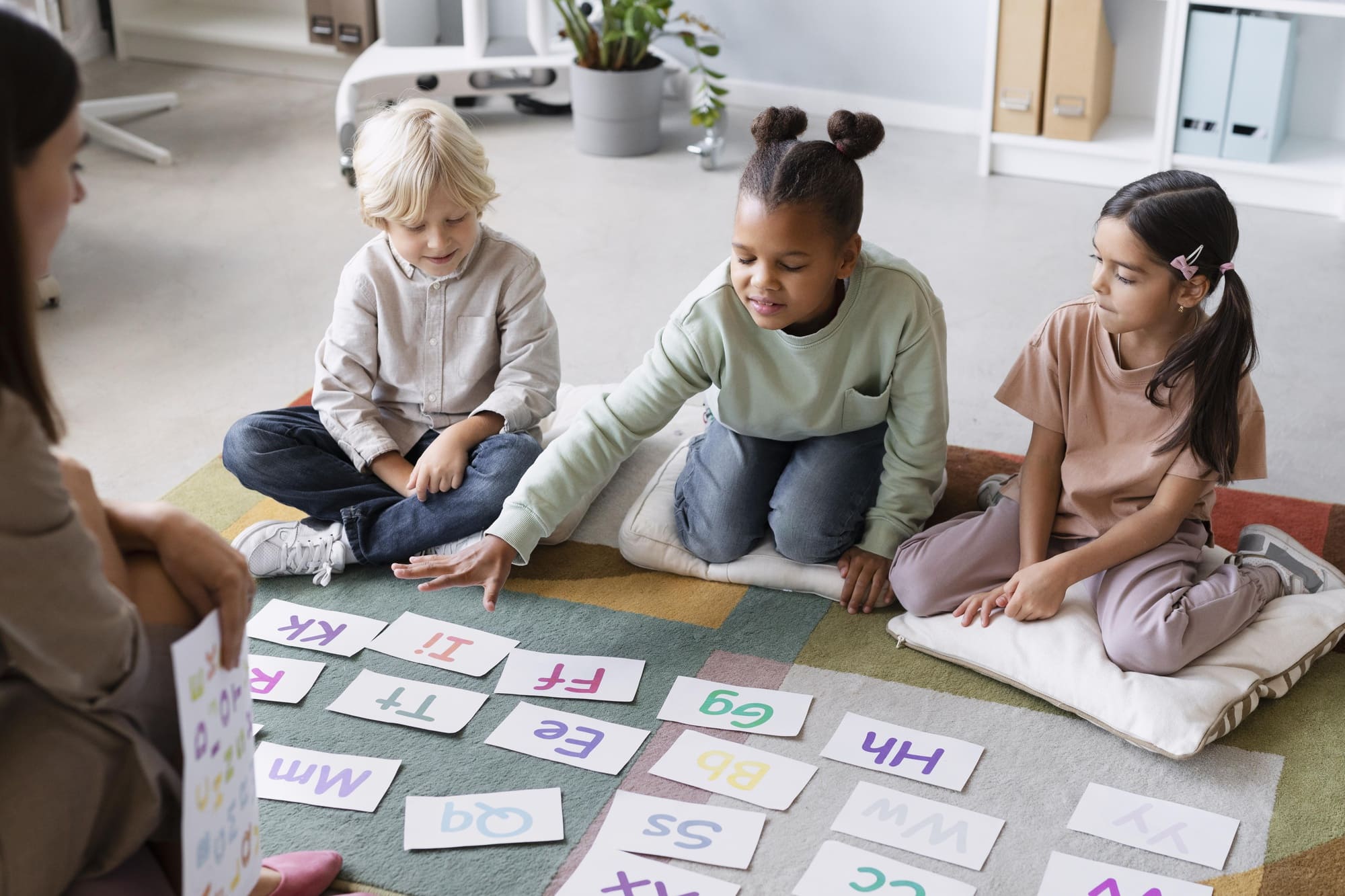
At the trilingual school Lycée français Molière, we believe that learning several languages from an early age is one of the best opportunities we can offer our pupils. In fact, we believe that languages are the key to the future. Language learning in childhood

Why is it important for children to learn several languages from an early age? Benefits

During the first years of life, the brain is at its most receptive, which facilitates the acquisition of new languages in a natural way with less effort. Our educational model is designed to make language learning an enriching and motivating experience from day one. In addition, mastering more than one language not only expands communication possibilities, but also brings key benefits for children's development:
  • Confidence and fluency in different environments: our students are able to get by naturally in different languages, without barriers or fear of expressing themselves.
  • Better academic performance: language learning stimulates memory, concentration and logical thinking.
  • Greater mental flexibility and creativity: multilingual children develop advanced cognitive skills that help them to solve problems more effectively.
  • Ease of learning new languages in the future: a solid foundation in several languages makes it possible to acquire new languages more quickly and efficiently.
  • Cultural openness and global vision: in an increasingly interconnected world, speaking several languages opens doors and fosters tolerance and respect for other cultures.

How do we promote the learning of different languages in our school?

At the Lycée français Molière, international school in Zaragoza, we create an immersive environment in which children learn naturally through:
  • Classes taught by native and bilingual teachers.
  • Everyday use of languages in and out of the classroom.
  • Playful activities, stories, games and songs in different languages.
  • Cultural exchanges and international experiences to reinforce language immersion.
Our commitment is to educate students who are prepared for the future, with a education based on academic excellence and the richness of language learning. Who wouldn't like it? If you want your child to grow up with a unique advantage, find out what we have to offer - we are happy to accompany you on this journey!